Deogyusan National Park (덕유산국립공원(본소,적상분소))
|
||||||||||||||||||||||||||||||||||||||||||||||||||||||||||||
|
||||||||||||||||||||||||||||||||||||||||||||||||||||||||||||
|
| ||||||||||||||||||||||||||||||||||||||||||||||||||||||||||||
| Introduction | ||||||||||||||||||||||||||||||||||||||||||||||||||||||||||||
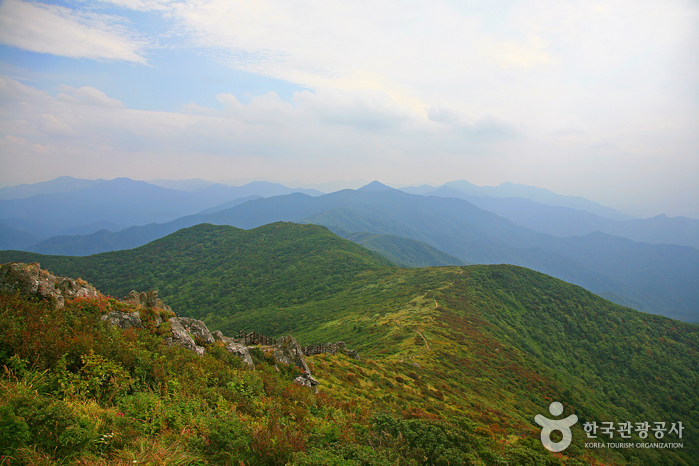
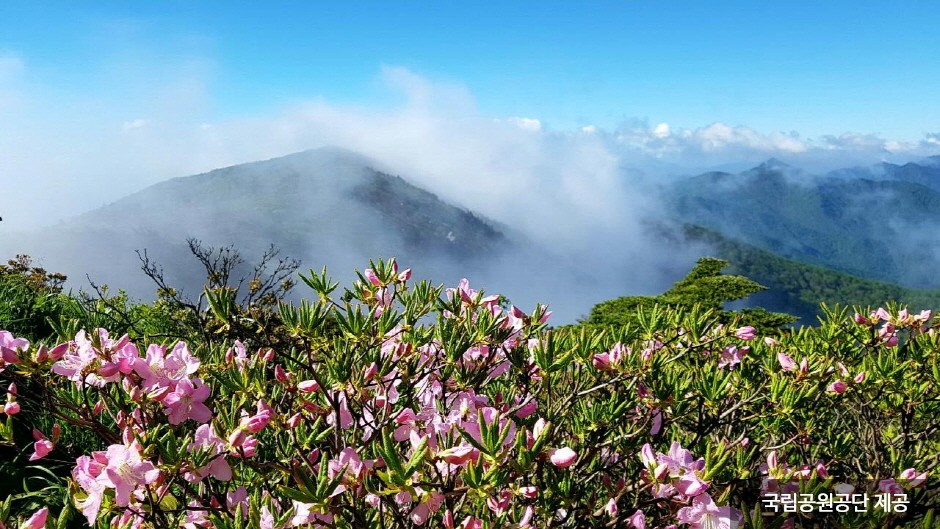
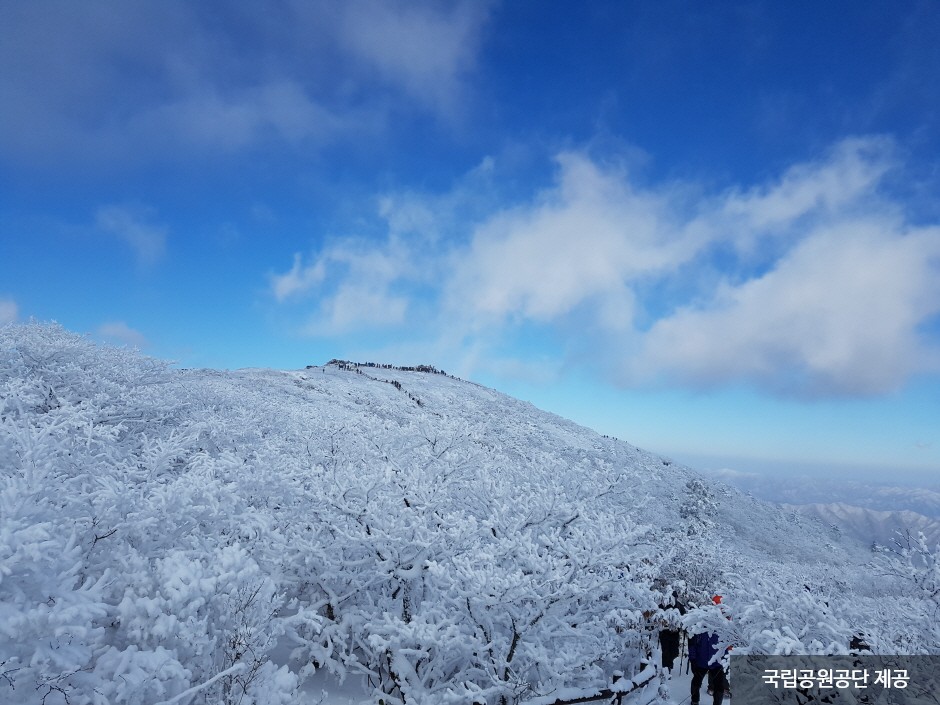
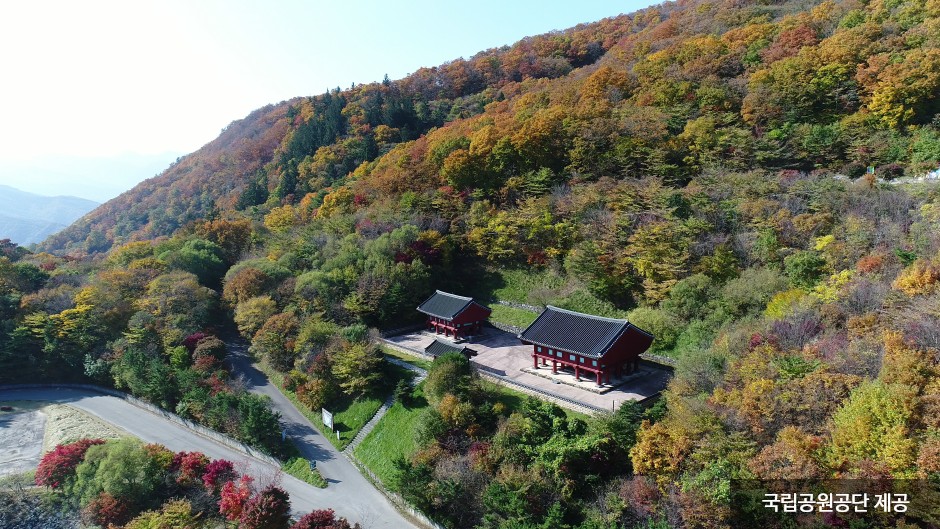
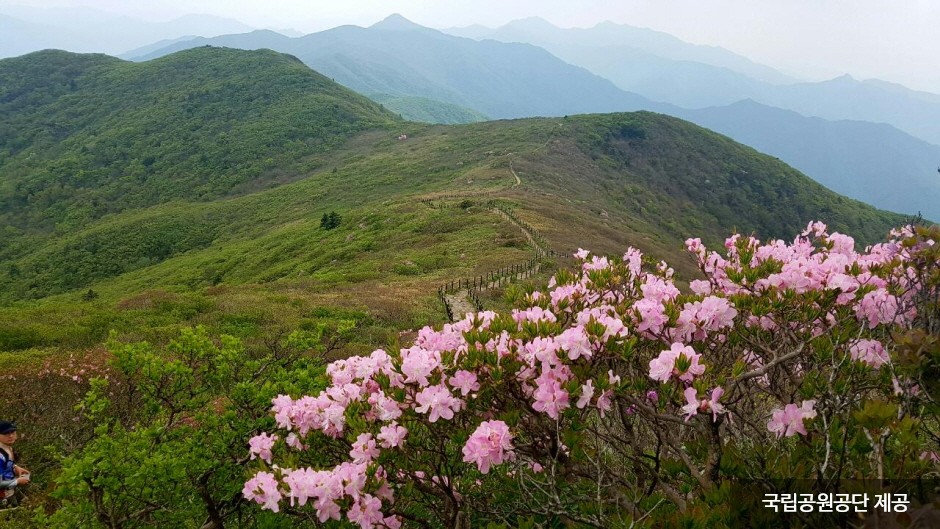
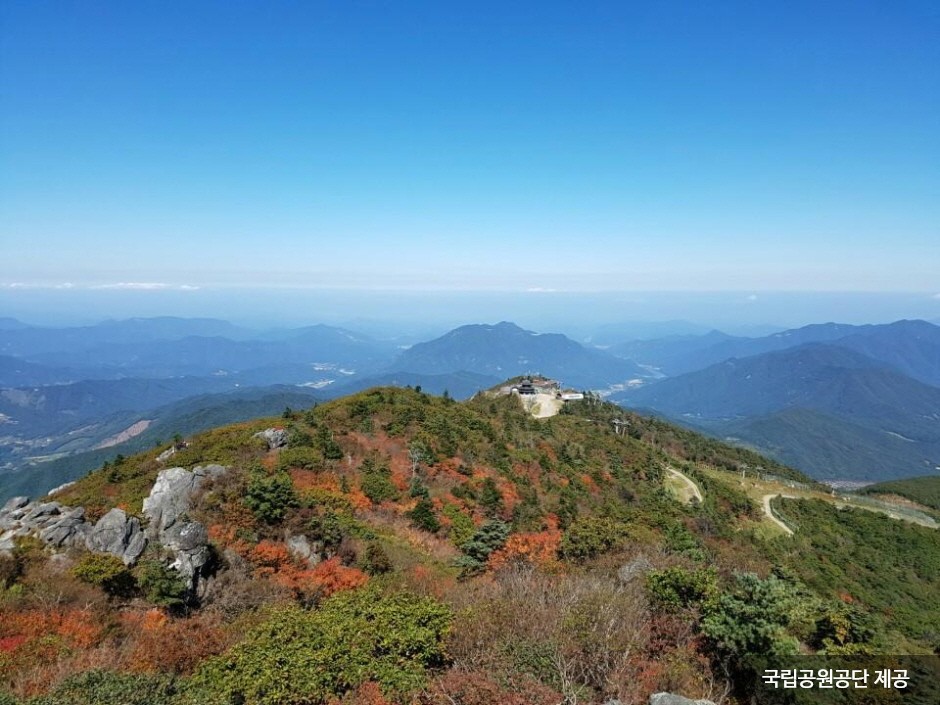
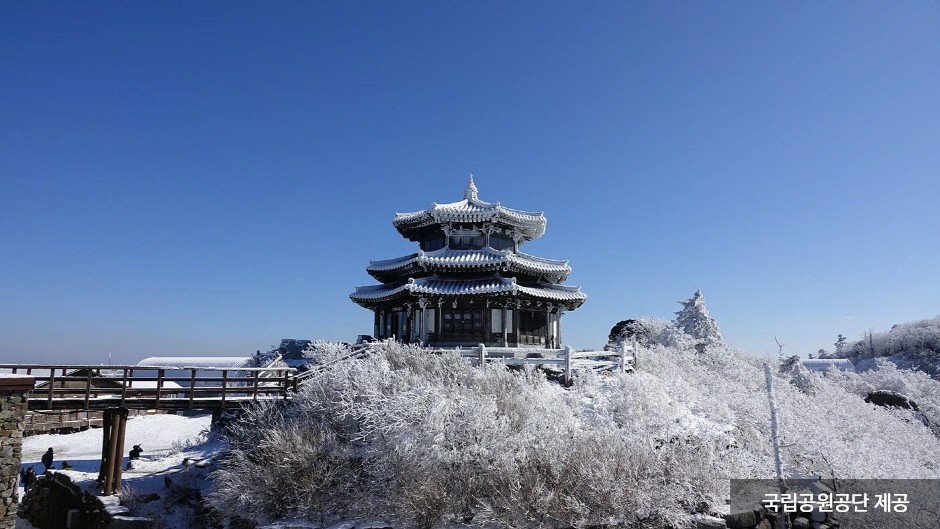
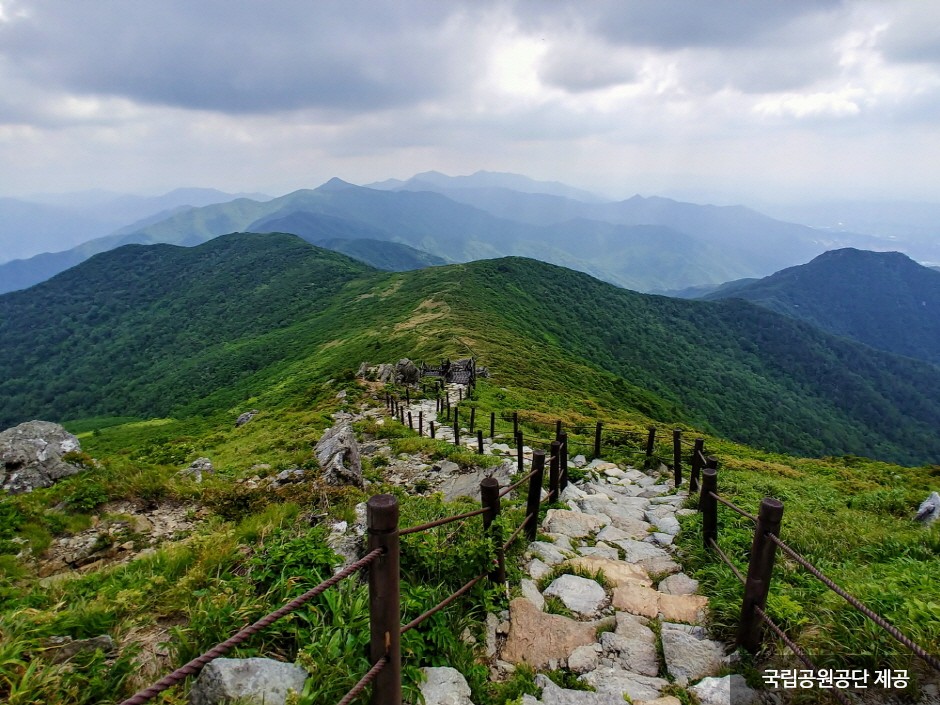
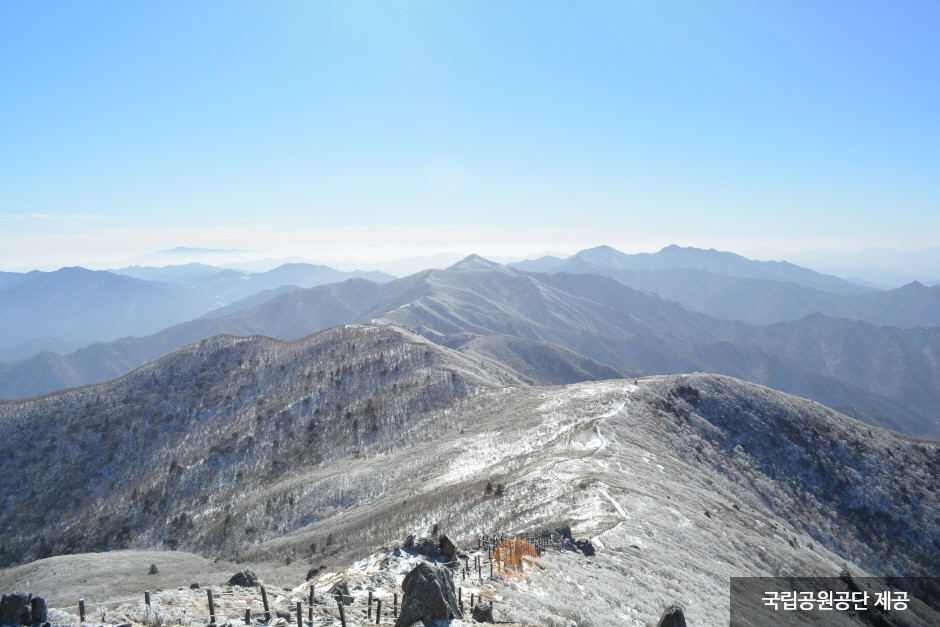
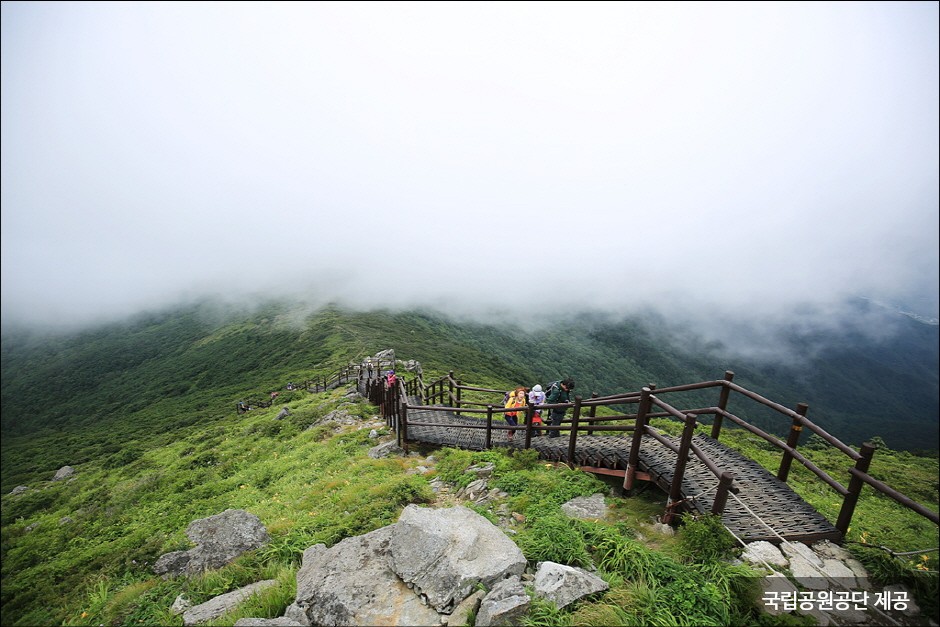
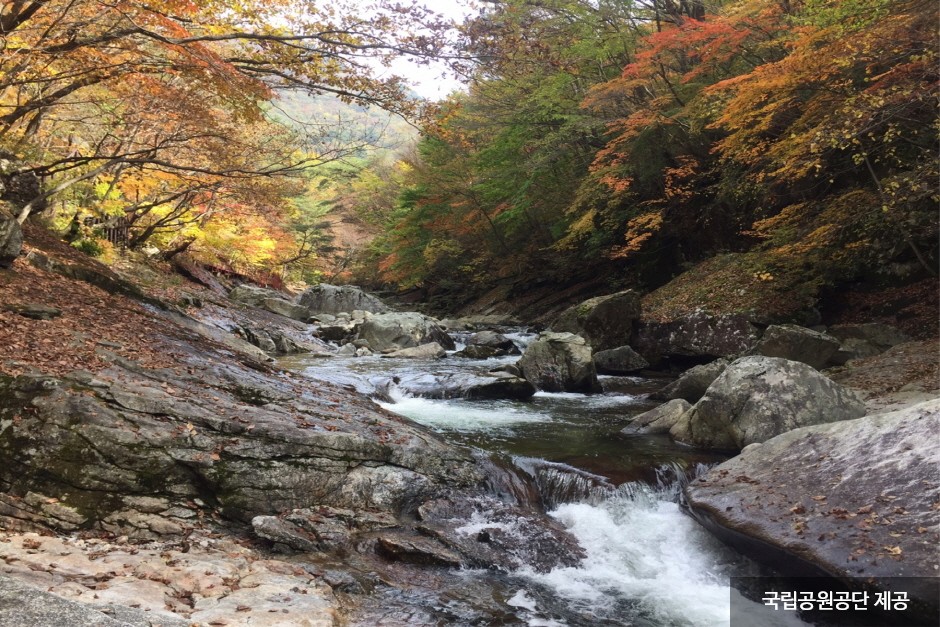
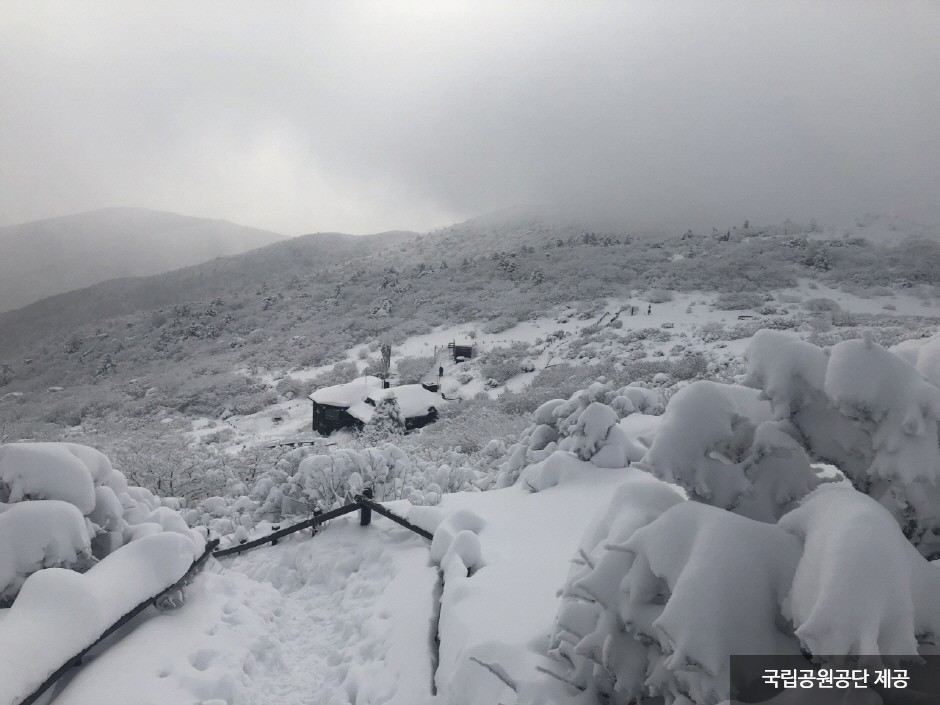
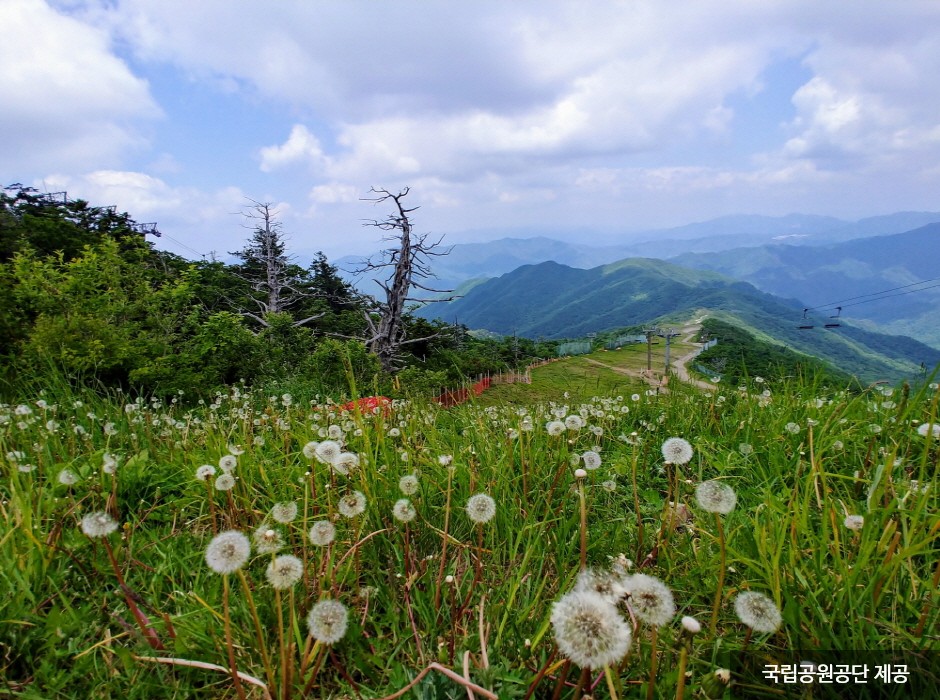
| Deogyusan National Park covers Geochang-gun of Gyeongsangnam-do and Muju-gun of Jeollabuk-do. Starting from Mt. Deogyusan's main peak, Hyangjeokbong, the ridges are about 1300m above sea level, and as it stretches southwestward for about 18km, it branches out in many directions to create a long series of mountains. For every branch of the mountain ridgeline, there are matching valleys at Mt. Deogyusan. Among these valleys, Mujugucheondong Valley, stretching 25km from the Deogyu peak to Seolcheon River on the north, is the most famous. There are 33 wonderful scenes in the valley that are praised for their beauty, called Gucheondong 33 Kyeong. Susimdae is a valley 400m deep. Because water as clear as jade flows through here, it is also referred to as Suhwa. Deogyusan also has three valleys that are grouped together: the Chilyeon, Jeoksang, and Munan. Among them the Chilyeon Valley is the most beautiful. It is famous for its Chilyeon Waterfall, where clear water passes by thick pine forest and winds through a series of rock formations. This water current has created seven ponds, and the way they are all lined up makes up for a very interesting view. Clear water circulates into each of these ponds, and then flows into another pond to create a series of seven segmented waterfalls. The Chilyeon Waterfall complements the surrounding old pine trees and maple trees. In the summer, many vacationers, and in the fall, people looking for autumn colored leaves visit this area. Mt. Deogyusan has many beautiful valleys, waterfalls, pine forests, and intresting rock formations. Mujugucheon-dong local officials, in conjunction with the National Park Administration Office, provide visitors with many convenient facilities in order to make for a pleasurable stay. |
||||||||||||||||||||||||||||||||||||||||||||||||||||||||||||
| Closed | ||||||||||||||||||||||||||||||||||||||||||||||||||||||||||||
| N/A (Open all year round) | ||||||||||||||||||||||||||||||||||||||||||||||||||||||||||||
| Natural Preservation Areas (closed to public) | ||||||||||||||||||||||||||||||||||||||||||||||||||||||||||||
| * Chilyeon Ravine 1: until 2026 * Chilyeon Ravine 2: until 2028 * Bottom of Hyangjeokbong Peak: until 2026 |
||||||||||||||||||||||||||||||||||||||||||||||||||||||||||||
| Mountain Not Access Period | ||||||||||||||||||||||||||||||||||||||||||||||||||||||||||||
| 2012 Seasonal Forest Fire Watches by Park 02.16.2012 ~ 05.11.2012 ※TBD by park directors based on fire weather advisories, snow/precipitation levels, and other local conditions. |
||||||||||||||||||||||||||||||||||||||||||||||||||||||||||||
| Areas Open to the Public | ||||||||||||||||||||||||||||||||||||||||||||||||||||||||||||
| * Seochang Visitor
Center 서창탐방지원센터 ~ Anguksa Temple 안국사 * Hwangjeom 황점 ~ Satgatgoljae 삿갓골재 |
||||||||||||||||||||||||||||||||||||||||||||||||||||||||||||
| Restricted Mountain Areas | ||||||||||||||||||||||||||||||||||||||||||||||||||||||||||||
| * Chimok 치목 ~ Anguksa Temple 안국사: 3.7km * Inwoldam 인월담 ~ Seolcheonbong Peak 설천봉: 5.10km * Hyangjeokbong Peak 향적봉 ~ Yeonggak Park Protection Area 영각공원지킴터: 17.9km * Baengnyeonsa Temple 백련사 ~ Jungbong Peak 중봉: 4km * Hoenggyeongjae 횡경재 ~ Sinpungnyeong 신풍령: 7.8km * Songgyesa Temple 송계사 ~ Baegambong Peak 백암봉: 6.5km * Anseong Information Center 안성탐방지원센터 ~ Dongyeomnyeong 동엽령: 4.4km * Hwangjeom 황점 ~ Wolseongjae 월성재: 2.6km * Yuksimnyeong 육십령 ~ Namdeogyusan Mountain 남덕유산: 3.6km * Byeonggok 병곡 ~ Dongyeomnyeong 동엽령: 3.5km * Yangak 양악 ~ Wolseongjae 월성재: 4.0km |
||||||||||||||||||||||||||||||||||||||||||||||||||||||||||||
| Hiking Course | ||||||||||||||||||||||||||||||||||||||||||||||||||||||||||||
| * Chimok Course: 2 Hours, 3.7km * Wolseongjae Course : 2 Hours, 3.7km * Hoenggyeongjae Course: 3 Hours, 6.4km * Sinpungnyeong Course: 4 Hours, 7.8km * Osujagul Course: 2 Hours, 4.2km |
||||||||||||||||||||||||||||||||||||||||||||||||||||||||||||
| Parking Facilities | ||||||||||||||||||||||||||||||||||||||||||||||||||||||||||||
| Available | ||||||||||||||||||||||||||||||||||||||||||||||||||||||||||||
| Parking Fees | ||||||||||||||||||||||||||||||||||||||||||||||||||||||||||||
| Parking fees vary depending on the size of the car. For more information, please refer to the Homepage. |
||||||||||||||||||||||||||||||||||||||||||||||||||||||||||||
| Available Facilities | ||||||||||||||||||||||||||||||||||||||||||||||||||||||||||||
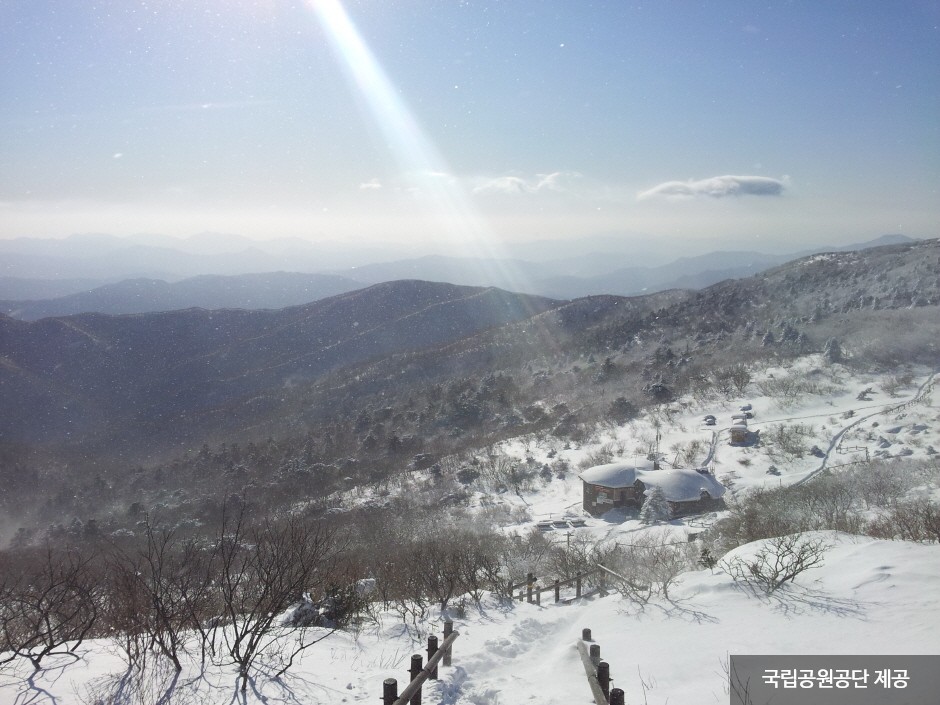
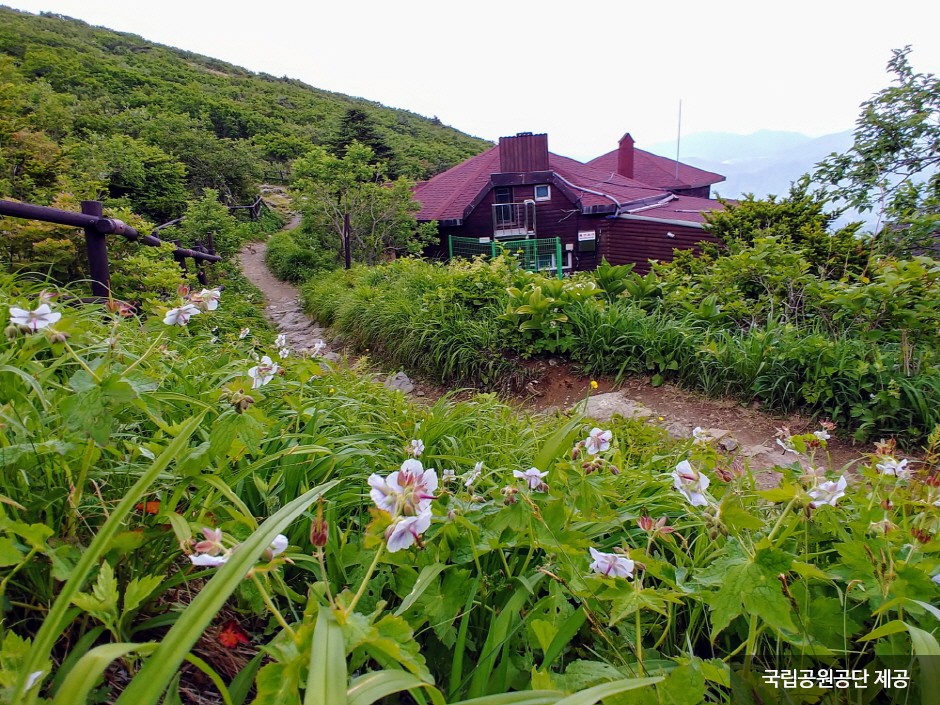
| Deogyudae Campsite, Hyangjeokbong Shelter, Satgatjae Shelter | ||||||||||||||||||||||||||||||||||||||||||||||||||||||||||||
| Baby Stroller Rentals | ||||||||||||||||||||||||||||||||||||||||||||||||||||||||||||
| Not available | ||||||||||||||||||||||||||||||||||||||||||||||||||||||||||||
| Pets | ||||||||||||||||||||||||||||||||||||||||||||||||||||||||||||
| Not permitted | ||||||||||||||||||||||||||||||||||||||||||||||||||||||||||||
| Directions | ||||||||||||||||||||||||||||||||||||||||||||||||||||||||||||
| From Seoul
Nambu Bus Terminal, take an intercity bus to Muju. * Bus Schedule: 07:40, 09:20, 10:40, 13:40, 14:35 * Bus departing at 07:40 goes directly to Gucheondong (구천동). From Muju Bus Terminal, take an intercity bus or a local bus to Gucheondong (구천동). Get off at Gucheondong Bus Stop. |
||||||||||||||||||||||||||||||||||||||||||||||||||||||||||||
|
||||||||||||||||||||||||||||||||||||||||||||||||||||||||||||
| ||||||||||||||||||||||||||||||||||||||||||||||||||||||||||||