- Log in
-
- Sydney Overseas Office
- London Overseas Office
- Toronto Overseas Office
- Los Angeles Overseas Office
- New York Overseas Office
- Ulaanbaatar Overseas Office
- Dubai Overseas Office
- New Delhi Overseas Office
- Manila Overseas Office
- Jakarta Overseas Office
- Hanoi Overseas Office
- Kuala Lumpur Overseas Office
- Singapore Overseas Office
- Bangkok Overseas Office
- Map
- Sydney Overseas Office
- London Overseas Office
- Toronto Overseas Office
- Los Angeles Overseas Office
- New York Overseas Office
- Ulaanbaatar Overseas Office
- Dubai Overseas Office
- New Delhi Overseas Office
- Manila Overseas Office
- Jakarta Overseas Office
- Hanoi Overseas Office
- Kuala Lumpur Overseas Office
- Singapore Overseas Office
- Bangkok Overseas Office
- HOME
- Where to Go
- Destinations
-
-
-
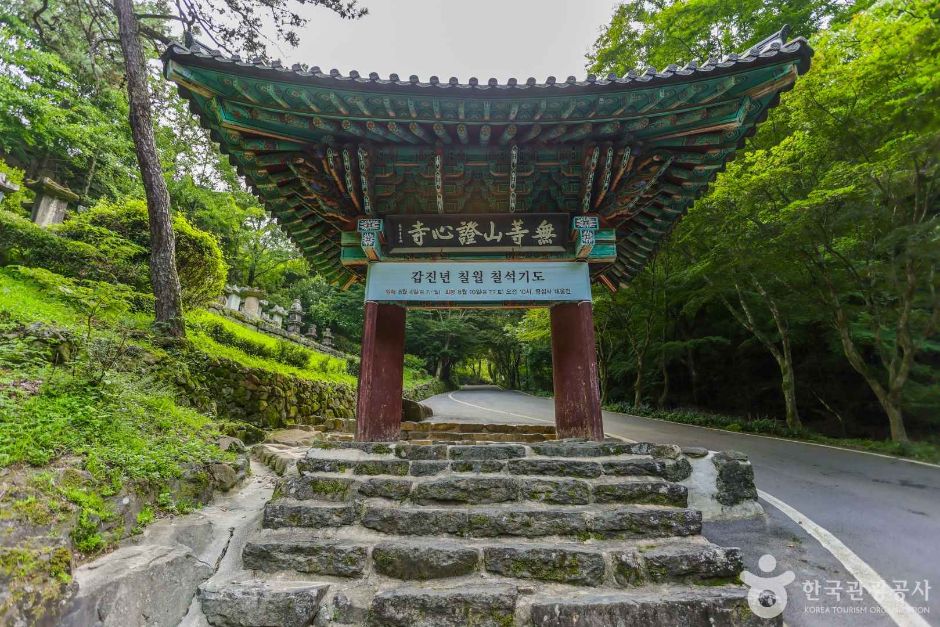
Gwangju Jeungsimsa Temple (증심사(광주))
-
0
3
-
-
-
-
![]()
![]()
![]()
![]()
![]()
![]()
![]() 1 / 7
1 / 7Located on the western foothills of Mudeungsan Mountain, Jeungsimsa Temple is a representative temple of Gwangju. First founded by Buddhist monk Cheolgamseonsa Do Yun during the Silla dynasty, the temple was re by Buddhist monk Hyesoguksa in 1094 (Goryeo dynasty) and again by Kim Bang in 1443 (Joseon dynasty). The temple was burned down during the Imjin War and was reconstructed in 1609 by three Buddhist monks: Seokgyeong, Sujang, and Dogwang. It underwent several additional restorations before being destroyed again by fire during the Korean War. Most of the existing buildings, including Daeungjeon Halll (main temple building), were rebuilt in the 1970s.
What's nearby Here are some recommended destinations nearby! Attractions within 50 kilometers are arranged in the order of closest distance.Map Directions



Start a FREE Online Call
(No charges for calls on Wi-Fi /
Data charges may apply)

Open 1330 Helpline Chat(Download not required)